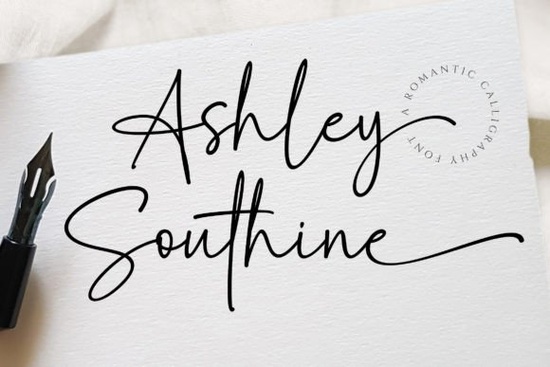
Finding a typeface that feels genuinely human can be difficult when most digital options look too perfect. Designers and crafters often search for something that brings warmth back into their projects without sacrificing readability. The Ashley Southine Font solves this problem by offering a handwritten script that mimics natural pen strokes. It provides an elegant and personal touch to every character, making it a strong candidate for projects that need to feel inviting rather than corporate.
Why choose a handwritten style for your brand?
When you are building a brand identity, the font you choose speaks before you do. A rigid sans-serif might look clean, but it often lacks emotion. Handwritten scripts introduce a level of intimacy that helps customers connect with a business on a personal level. This particular typeface showcases uniqueness in every curve and stroke, creating a relaxed yet refined atmosphere. It is not just about aesthetics; it is about communication. If you compare it to fonts designed for educational projects, you will notice a difference in maturity. While school fonts prioritize extreme legibility for young readers, this script balances readability with artistic flair, making it suitable for adult audiences who appreciate craftsmanship.
What are the best projects for this typeface?
This font shines in scenarios where a human touch is required. Wedding invitations are a classic use case because they need to feel special and bespoke. Greeting cards also benefit from the warm ambiance this typeface creates. For print-on-demand sellers, using this script on mugs or tote bags can transform a generic product into something that feels handmade. If you are exploring elegant typography collections for high-end branding, this option fits well within that niche. It works particularly well for boutique logos where the owner wants their signature to be part of the visual identity. The natural handwritten feel ensures that even digital prints retain a sense of organic movement.
How do you pair it with other typography?
Using a script font effectively often depends on what you pair it with. Because this typeface has flowing curves, it needs a stable partner. A clean sans-serif or a simple serif font works best for body text. This contrast prevents the design from looking too busy. You want the script to stand out as the headline or accent, similar to how personal signature typefaces are used for emphasis rather than long paragraphs. When designing a logo, keep the script large and the supporting text small. This hierarchy guides the viewer's eye and ensures the unique strokes of the main font are appreciated without causing visual clutter.
Is it suitable for larger design bundles?
Many creatives prefer working with collections rather than single files. Having a variety of weights or matching fonts can streamline the workflow. While this script stands strong on its own, it complements extensive notebook style packs if you are working on journaling projects or planners. The relaxed atmosphere it creates fits well with paper textures and analog design elements. If you are creating a digital planner or a printable workbook, mixing this script with structured handwriting fonts can create a dynamic layout that feels both organized and creative. It adds that layer of personality that standard system fonts simply cannot provide.
What mood does it convey to the audience?
The emotional impact of typography is often overlooked. This font captures casual Monday morning vibes rather than the stress of a deadline. It feels approachable and friendly. For small businesses, this means customers perceive the brand as accessible. It removes the barrier between the seller and the buyer. When used in social media graphics, it can make promotional posts feel less like advertisements and more like personal notes. This subtle shift in tone can increase engagement because people are drawn to content that feels authentic. The warm and inviting nature of the strokes encourages viewers to spend more time looking at the design.
Practical tips for using this script
To get the best results, consider the medium you are designing for. On screens, ensure the size is large enough so the fine strokes do not disappear on mobile devices. In print, choose high-quality paper that complements the elegant feel of the letters. Avoid using all caps with script fonts, as it breaks the natural flow of the handwriting. Instead, use sentence case to maintain the connection between letters. Always check the kerning manually, as handwritten fonts sometimes need slight adjustments to look perfect in specific words.
- Check legibility: View your design at 100% zoom to ensure small details are clear.
- Limit usage: Use the script for headlines or short phrases, not long blocks of text.
- Contrast colors: Pair dark script text with light backgrounds for maximum readability.
- Test on devices: Verify how the font renders on both mobile and desktop screens.
- Keep it simple: Let the font be the hero by minimizing other decorative elements.
By focusing on these details, you can ensure that the final design honors the quality of the typeface. Whether you are making a wedding invite or a brand logo, the goal is to let the human element shine through. This approach helps create work that resonates with people on a deeper level, turning a simple design project into a meaningful connection.
Try It Free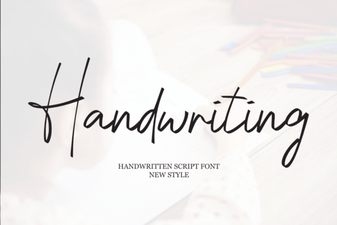 Handwriting Fonts for Authentic Design Projects
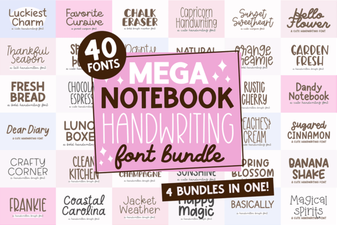 Creative Handwriting Font Bundle for Notebook Designs
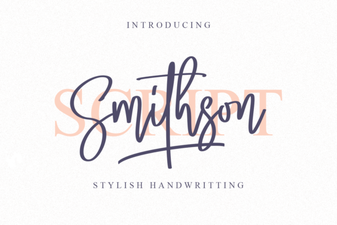 Smithson Font: Your Creative Typography Toolkit
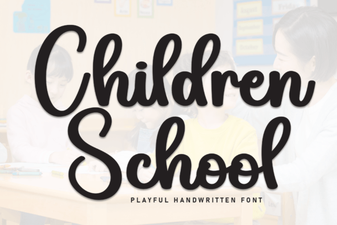 Kid-Friendly Fonts for Educational Design
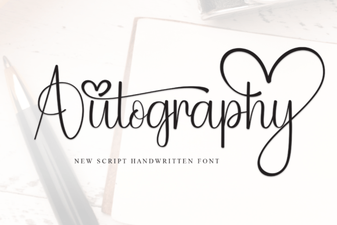 Autography Font: Personalize Your Design Projects
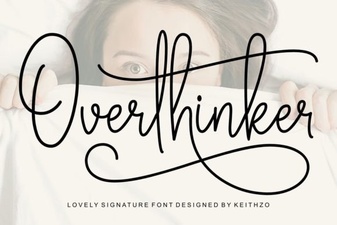 Find the Perfect Font for Overthinkers