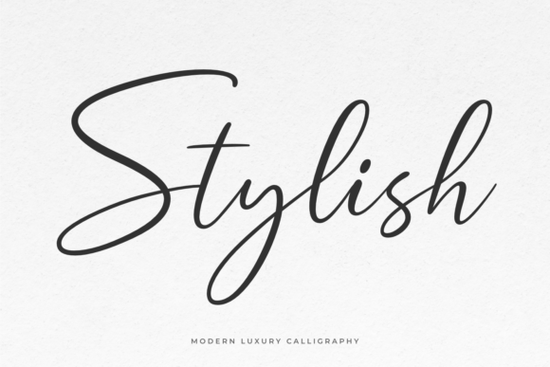
Choosing the right typography can make or break a design project. When you need something that feels personal yet professional, a modern calligraphic script often fits the bill. The Stylish Font is a graceful option designed to bring rhythm and class to your compositions. Whether you are working on a wedding invitation or a new logo, finding a typeface with the right flow is essential for creating a lasting impression.
This typeface was built with versatility in mind. It combines the elegance of traditional calligraphy with modern spacing rules, making it legible even at smaller sizes. Many designers struggle with scripts that look beautiful in headlines but become unreadable in body text. This font aims to bridge that gap, offering swashes and glyphs that add flair without sacrificing clarity.
What makes this script stand out?
The core appeal lies in its beautiful rhythm. Unlike rigid sans-serif options, this script mimics the natural movement of a pen on paper. Each letter connects smoothly, creating a continuous line that guides the reader's eye. This is particularly useful for branding projects where you want to convey warmth and approachability.
Another technical feature worth noting is the PUA encoding. PUA stands for Private Use Area, which means all the alternate characters, swashes, and ligatures are mapped directly to your keyboard. You do not need special software to access these extras. Simply type specific keys to reveal different variations of the letters, allowing for custom ligatures that look hand-drawn.
Where should you use this typeface?
Because of its classy composition, this font works well in industries that value aesthetics and tradition. Here are a few common applications:
- Wedding Invitations: The graceful lines suit formal events perfectly.
- Brand Logos: Ideal for boutiques, salons, or artisanal shops.
- Web Graphics: Use it for headers or hero images to add personality.
- Greeting Cards: Great for birthdays, holidays, or thank-you notes.
- Packaging: Adds a premium feel to product labels.
For print-on-demand sellers, this type of script is valuable for t-shirts, mugs, and tote bags. Customers often look for designs that feel unique rather than generic. Using a font with accessible swashes allows you to create multiple variations of the same design without needing to draw anything by hand.
How does it compare to other scripts?
Every project has different needs. Sometimes you want high contrast, and other times you need something more casual. If you are looking for brighter script options that feel more energetic, you might explore alternatives with bouncer baselines. On the other hand, if your design requires a more structured feel, cleaner weekday vibes could match your layout better.
For those who prefer a natural pen look, you might consider handwriting bundles that simulate quick notes rather than formal calligraphy. If you need something with more personality and quirks, more expressive choices are available to add character. Finally, for designs that need a specific regional feel, options with Southern charm can evoke a sense of hospitality and tradition.
Comparing these styles helps you decide if the formal rhythm of the main product fits your goal. While the alternatives offer different moods, the focus here remains on grace and modernity.
Is installation difficult?
Installing script fonts is generally straightforward, but PUA encoded fonts require a specific process to unlock their full potential. On Windows, you can use the Character Map tool to find the specific glyphs. On Mac, the Font Book application allows you to preview and copy special characters.
Once installed, test the font in your design software. Try typing common letter pairs like "th" or "st" to see if the ligatures activate automatically. If they do not, check the glyph panel in programs like Adobe Illustrator or Photoshop. This is where you can manually insert the alternate characters to improve the flow of your text.
What should you check before downloading?
Before adding any new typeface to your library, verify the license terms. Most creative assets come with personal or commercial licenses, but restrictions may apply regarding print runs or digital distribution. Ensure the file format matches your operating system, though most modern fonts include both OTF and TTF versions.
Here is a quick checklist to help you decide if this typeface is right for your next project:
- Check Legibility: Print a sample at the size you intend to use.
- Test Swashes: Ensure the extra glyphs work in your specific software.
- Review License: Confirm you are allowed to use it for client work.
- Pairing: Find a simple sans-serif font to use alongside it for body text.
- Contrast: Make sure the color of the text stands out against the background.
Taking these steps ensures you get the most out of your design tools. A good font is an investment in your workflow, saving you time on customization while delivering high-quality results.
Try It Free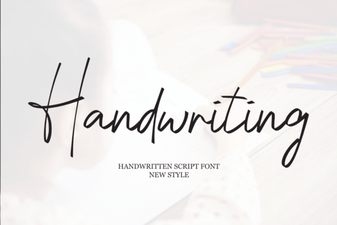 Handwriting Fonts for Authentic Design Projects
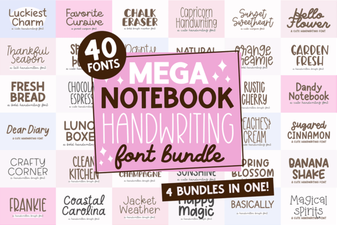 Creative Handwriting Font Bundle for Notebook Designs
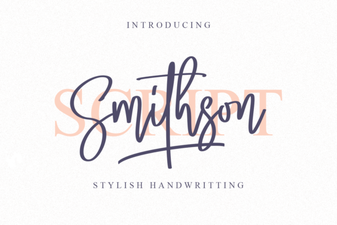 Smithson Font: Your Creative Typography Toolkit
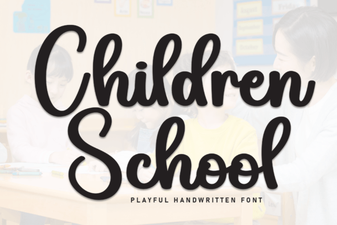 Kid-Friendly Fonts for Educational Design
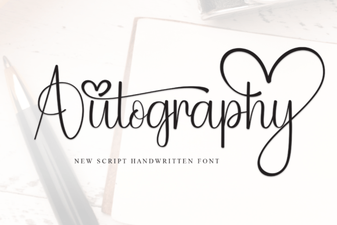 Autography Font: Personalize Your Design Projects
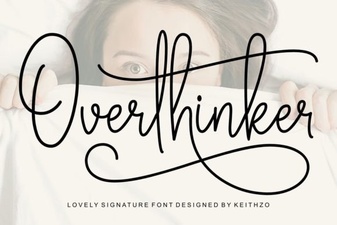 Find the Perfect Font for Overthinkers