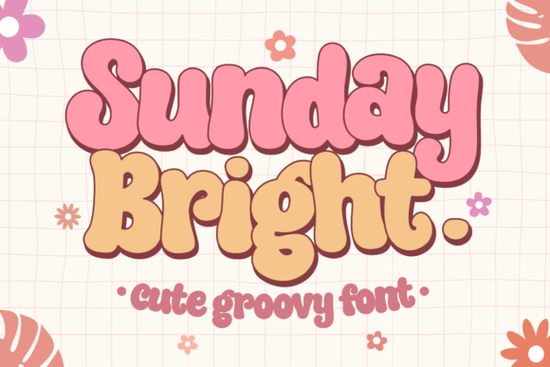
Finding a typeface that balances fun and readability is often harder than it looks. You want something that grabs attention without sacrificing clarity, especially when working on merchandise or digital assets. The Sunday Bright Font offers a solution for designers needing that specific retro vibe. It captures the essence of seventies bold typography while remaining clean enough for modern use cases. This groovy style works well when you need a playful accent that feels nostalgic yet fresh.
Many creators struggle to find the right display font for projects that require personality. Standard sans-serif options can feel too corporate, while overly decorative scripts might be hard to read on small items. This typeface bridges that gap with thick strokes and rounded edges. It reminds users of vintage packaging and old-school posters, which is a trend that continues to perform well in the print-on-demand market. If you are looking for vibrant retro collections to compare styles, you might explore other options that focus on colorful aesthetics.
What kind of projects work best with this style?
This font shines in contexts where you want to evoke happiness or energy. It is particularly effective for book covers that target younger audiences or lifestyle genres. Packaging design also benefits from this look, as it stands out on shelves against minimalist competitors. For small businesses selling apparel, the bold weight ensures the text remains legible even when printed on textured fabrics like cotton tote bags or crewneck sweatshirts.
When designing for sports teams or school clubs, you might usually lean toward athletic style lettering. However, this groovy option provides a softer alternative that feels more inclusive and fun. It works exceptionally well for community events, summer camps, or local bakery logos where a strict athletic look might feel too aggressive. The curvature in the letters adds a human touch that rigid block fonts often lack.
How should you pair it with other typography?
Using a bold display font requires careful pairing to maintain hierarchy. Since the main text carries so much visual weight, your secondary text should be simple. A clean sans-serif works well for body copy, but adding a script can enhance the playful vibe. You might consider friendly script pairings to complement the boldness without competing for attention. This combination creates a balanced layout that guides the viewer's eye naturally from the headline to the details.
Seasonal projects also benefit from this typeface. It fits perfectly into seasonal vacation projects like beach party invitations or ice cream shop menus. The warm feeling of the letters matches sunny themes organically. When using it for digital graphics, ensure you have enough contrast between the text and the background. White text on a dark pastel background often highlights the rounded edges effectively.
What technical details should you know before downloading?
Most modern font files come in multiple formats to ensure compatibility across different software. You will typically find OTF, TTF, and webfont versions included in the package. This allows you to use the typeface in Adobe Illustrator, Canva, or directly on your website via CSS. Always check the licensing terms before starting a commercial project. Some licenses allow unlimited sales on physical products, while others may have restrictions on digital templates.
If you need a more dedicated style overview, reviewing the specific character map is a good idea. Look for special glyphs or alternates that might add uniqueness to your logo design. Multilingual support is another factor to consider if you plan to sell globally. Having access to accented characters ensures your designs look professional in various languages without needing to substitute letters manually.
Practical tips for using retro display fonts
Working with bold typography requires attention to spacing. Kerning adjustments are often necessary to ensure letters do not touch awkwardly, especially with rounded shapes. Test your designs at different sizes to confirm readability. What looks great on a desktop screen might become muddy on a mobile device or a small product tag. Always print a physical proof if you are selling merchandise to check ink coverage on the thick strokes.
Remember that trends change, but quality design remains relevant. This style fits within the current nostalgia wave but has enough classic structure to last. Avoid overusing effects like heavy drop shadows or gradients, as the font shape is strong enough on its own. Let the typography be the hero of your design rather than hiding it behind excessive embellishments.
- Check Licensing: Verify if your subscription covers commercial use for physical goods.
- Test Readability: Print a sample at actual size before mass production.
- Pair Simply: Use a basic sans-serif for body text to maintain balance.
- Adjust Kerning: Manually tweak spacing between letters for a polished look.
- Contrast Matters: Ensure background colors make the bold strokes pop.
Taking these steps ensures your final product looks professional and appeals to your target audience. Whether you are creating a logo for a new venture or designing a poster for a local event, the right typeface sets the tone immediately. By understanding how to implement these bold letters effectively, you can create designs that feel both timeless and trendy.
Get Started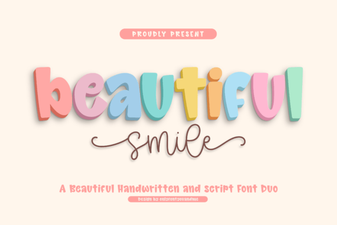 Font Styles for a Beautiful & Creative Typographic Smile
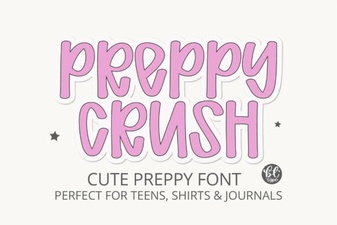 Preppycrush Font for Bold Graphic Designs
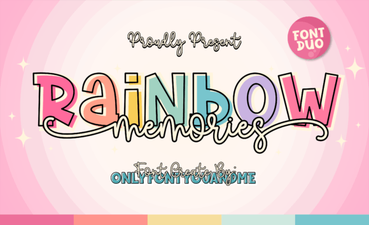 Rainbow Memories Font for Design Projects
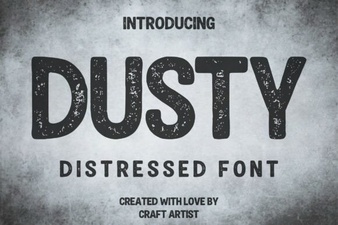 Fonts That Feel: Using Dusty for Your Design Projects
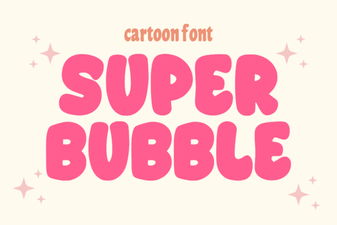 Super Bubble Fonts: Creative Typography for Designers
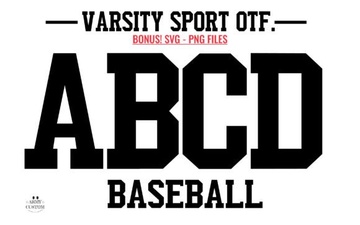 Designing Military-Style Fonts for Sports Branding