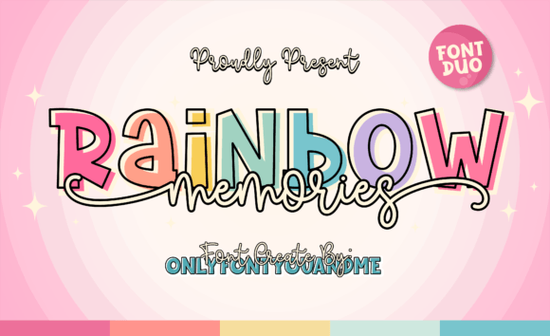
Finding the right typography for personal projects often feels like searching for a specific voice. You want something that speaks clearly but also carries emotion. This is where Rainbow Memories Font becomes a useful tool for creators. It offers a handwritten duo style that balances strong character with elegance. When you are working on designs that need to feel human and touched by hand, script typefaces like this one bridge the gap between digital precision and personal warmth.
Many designers struggle to find scripts that remain legible while still looking artistic. Flowing curves and smooth lines help each letter tell a story without sacrificing readability. Whether you are creating wedding invitations, custom stickers, or heartfelt letters, this font adds a touch of sophistication and charm to any project. It invites viewers to immerse themselves in the art of expression rather than just reading text.
What makes this handwritten style stand out?
The distinctive character of this typeface comes from its duo structure. Having multiple variations allows you to create contrast within a single word or phrase. You might use the standard form for body text and switch to the alternate glyphs for emphasis. This flexibility is crucial for maintaining visual interest over longer passages.
Unlike rigid sans-serif options, this script mimics the natural pressure of a pen on paper. The strokes vary in thickness, creating a rhythm that guides the eye across the page. For crafters and small business owners, this level of detail means your branding looks custom-made rather than templated. It works particularly well when you need to convey sincerity and care in your messaging.
Where does this typography work best?
Print-on-demand sellers often look for fonts that translate well onto physical products. Because the lines are smooth, this script scales nicely on items like mugs, t-shirts, and tote bags. It avoids the pixelation issues that sometimes plague overly complex scripts when resized. For wedding stationery, the elegant curves provide a formal yet inviting tone that guests appreciate.
If you are exploring different vibes for your shop, you might compare this script with other options. For example, if you need something more cheerful for a summer collection, you could look at seasonal designs that capture a lighter mood. Alternatively, if your brand leans towards a more playful aesthetic, browsing through playful options might give you the contrast needed to diversify your product line.
Stickers are another excellent use case. The strong distinctive character ensures that even small text remains recognizable. When customers peel a sticker off a package, the typography becomes part of the unboxing experience. This attention to detail builds loyalty and encourages repeat purchases. You can also pair these scripts with rounded styles to create a dynamic layout that feels modern and approachable.
How do you pair it with other typefaces?
Combining scripts with other fonts requires balance. A good rule of thumb is to pair a flowing script with a clean sans-serif or a sturdy serif. This prevents the design from feeling too busy. If you use this handwritten duo for headings, keep your body text simple and neutral. This hierarchy helps the reader understand what information is most important.
Sometimes you might want a display font that commands more attention for main titles. In those cases, checking out bright Sunday style typefaces can provide a bold counterpart to the delicate script. The key is ensuring that both fonts share a similar x-height or visual weight so they feel like they belong on the same page.
For more specific details on this product, you can review the specific script pages available in the library. Understanding the full character set, including ligatures and alternates, helps you plan your layouts more effectively. Knowing what glyphs are available prevents last-minute swaps during the design process.
What should you check before downloading?
Always review the licensing terms before using a font for commercial projects. Most creative marketplaces allow use on physical end products for sale, but digital resale often has restrictions. Ensure you understand the difference between personal and commercial licenses to avoid legal issues later. Additionally, check the file formats provided. Having OTF, TTF, and WOFF files ensures compatibility across different software and web platforms.
Test the font in your specific design software before committing to a large project. Install the file and type out your longest expected phrase. Check kerning pairs to see if any letters clash or overlap awkwardly. Most high-quality fonts include kerning tables, but a quick visual check saves time on adjustments later.
Quick Design Checklist
- Verify Licensing: Confirm commercial use rights for your specific product type.
- Test Legibility: Print a sample at the actual size to ensure readability.
- Check Alternates: Explore the glyph panel for swashes and ligatures to vary your text.
- Pair Carefully: Combine with simple sans-serifs to maintain visual hierarchy.
- Backup Files: Keep a copy of the font files in a dedicated project folder.
Taking these steps ensures that your final design looks professional and polished. Typography is more than just choosing letters; it is about setting the right mood for your audience. With the right tools and a bit of planning, you can create work that resonates deeply with your customers.
Explore Design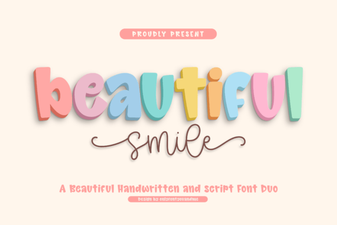 Font Styles for a Beautiful & Creative Typographic Smile
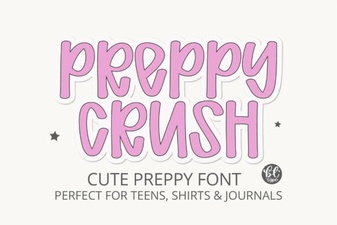 Preppycrush Font for Bold Graphic Designs
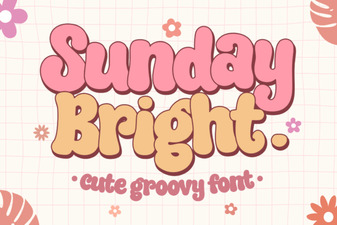 Sunday Bright: Bold & Cheerful Typography Projects
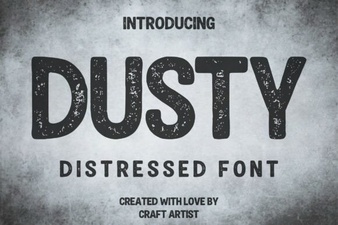 Fonts That Feel: Using Dusty for Your Design Projects
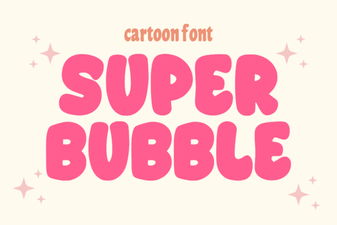 Super Bubble Fonts: Creative Typography for Designers
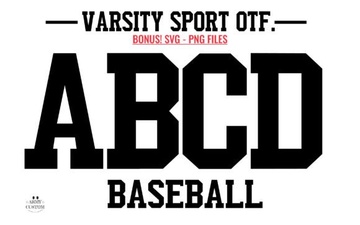 Designing Military-Style Fonts for Sports Branding