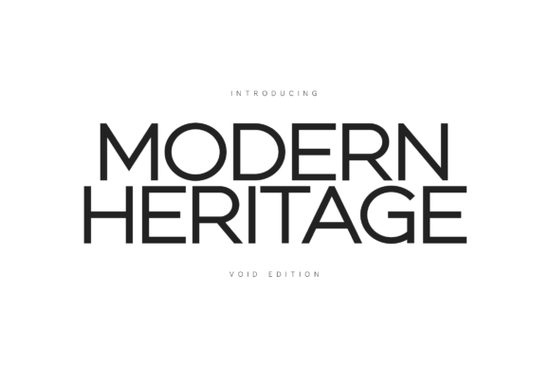
Finding the right typeface for a minimalist project often comes down to spacing and proportion rather than decorative flourishes. If you are working on a brand identity that needs to feel established yet forward-thinking, the Modern Heritage Font offers a compelling solution. This typeface redefines the minimalist aesthetic by mastering the art of negative space, making it a strong candidate for designers who value clarity and structure.
The Void Edition takes the timeless proportions of classic Swiss typography and injects them with a sharp, contemporary edge. Characterized by its generous x-height and ultra-clean, monolinear strokes, this font creates a sense of openness in even the most dense layouts. It is not just about looking clean; it is about ensuring that every letter has room to breathe, which is crucial for maintaining readability across different mediums.
What Makes the Void Edition Different from Standard Sans Serifs?
Many sans serif typefaces aim for neutrality, but this specific edition focuses on high contrast within a monolinear framework. The design relies on the void the empty space around and inside the characters to create visual interest. This approach prevents the text from feeling flat or boring, which is a common risk with minimalist fonts.
For architectural firms and interior design studios, this distinction matters. Signage and printed materials need to command attention without shouting. The sharp edges provide a modern feel, while the classic proportions ensure it doesn't look like a passing trend. When you explore similar swiss styles in the collection, you will notice how this particular weight balances authority with approachability.
Which Projects Benefit Most from This Aesthetic?
This typeface shines in environments where professionalism and luxury intersect. High-end fashion labels often require typography that feels expensive but understated. The clean strokes work exceptionally well on packaging, hang tags, and lookbooks where white space is used generously to highlight the product.
Print-on-demand sellers should also consider this for specific niches. While it might be too refined for casual graphic tees, it is perfect for apparel graphics that target a sophisticated audience. Think of streetwear brands that focus on typography-driven designs rather than large illustrations. The font's structure holds up well when printed on fabric, maintaining its legibility even when scaled down for labels or scaled up for back prints.
Tech-focused interfaces also benefit from this level of clarity. User interfaces require fonts that are easy to scan quickly. The generous x-height ensures that lowercase letters are distinct, reducing eye strain for users navigating apps or websites. Whether you are crafting a luxury brand or a sleek digital tool, this font delivers a polished presence.
How Do You Pair This with Other Typefaces?
Because Modern Heritage is so clean, it pairs well with serif fonts that have more personality. Using a high-contrast serif for headings and this sans serif for body text creates a classic editorial look. However, if you prefer an all-sans serif layout, you need to vary the weights significantly to create hierarchy.
For social media content, consistency is key. If you are building a brand identity across platforms, you might need complementary fonts for different formats. For example, you could use this for static posts and pair it with something more dynamic for vertical content. This ensures your brand remains recognizable while adapting to the specific requirements of each platform.
When browsing for alternatives or companions, it helps to look at the broader sans serif selection available. Sometimes a project requires a slightly softer touch or a more geometric alternative. Having a library of compatible typefaces allows you to maintain a cohesive visual language without using the exact same font for every single element.
Is It Readable at Smaller Sizes?
Legibility is often the first thing to suffer when a minimalist font is scaled down. However, the open counters and clear stroke differentiation in this typeface help maintain clarity. The "breathability" mentioned in the design notes refers to how the letters do not crowd each other, which is essential for body copy or detailed product descriptions.
Designers should test the font at various sizes before finalizing a layout. While it excels in headlines and display text, it is robust enough for secondary information. Just ensure that your line height (leading) is generous enough to match the open nature of the characters. Tight leading can negate the benefits of the generous x-height.
Practical Checklist for Implementation
Before finalizing your design files, run through these steps to ensure the typeface is working hard for your project:
- Check Kerning: Adjust the space between specific letter pairs, especially in logos or large headlines.
- Test Contrast: Ensure the font color stands out clearly against your background, especially if using thin weights.
- Verify Licensing: Confirm that your license covers all intended uses, such as web embedding or commercial merchandise.
- Review on Mobile: Always check how the text renders on smaller screens to guarantee readability.
- Limit Weights: Stick to two or three weights per project to maintain a clean, minimalist hierarchy.
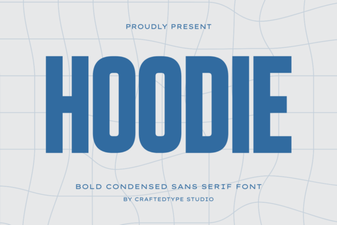 Craft Hoodie Lettering: Creative Font Designs
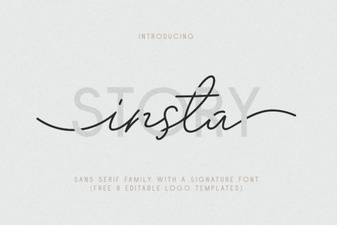 Create Unique Duo Fonts for Instagram Stories
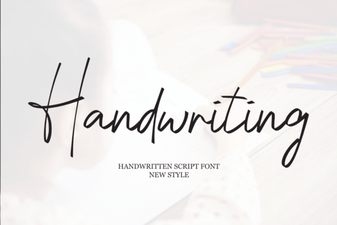 Handwriting Fonts for Authentic Design Projects
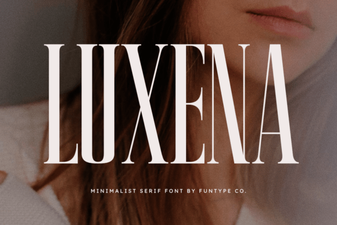 Luxena Font: Elegant Typography for Design Projects
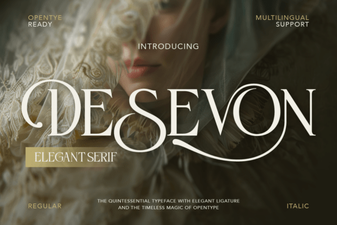 Desevon Font: Creative Typography for Modern Design
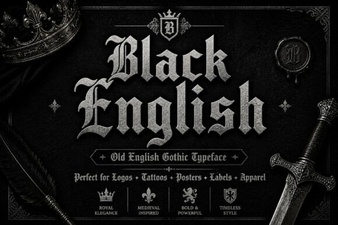 Crafting Creative Designs with Black English Fonts